HJW37 | The Pendant with lift
Frame:
nickel
Colour:
Black


1,343 €
Ships in
The HJW37 The Pendant was designed by Hans J. Wegner in 1962 and has been in production ever since. The pendant features an aluminium shade with a 24-carat gold- or nickel-plated hanger and extrudes a soft, warm light ideal to illuminate a dining- or coffee table. The design comprises several functional elements such as an optional lift and height adjustable socket to adapt the height of the lamp and the light bulb for glare free lighting. Its inherent versatility makes its suitable for both the living- and dining room. The pendant is also available without a lift. View downloads for more product details.
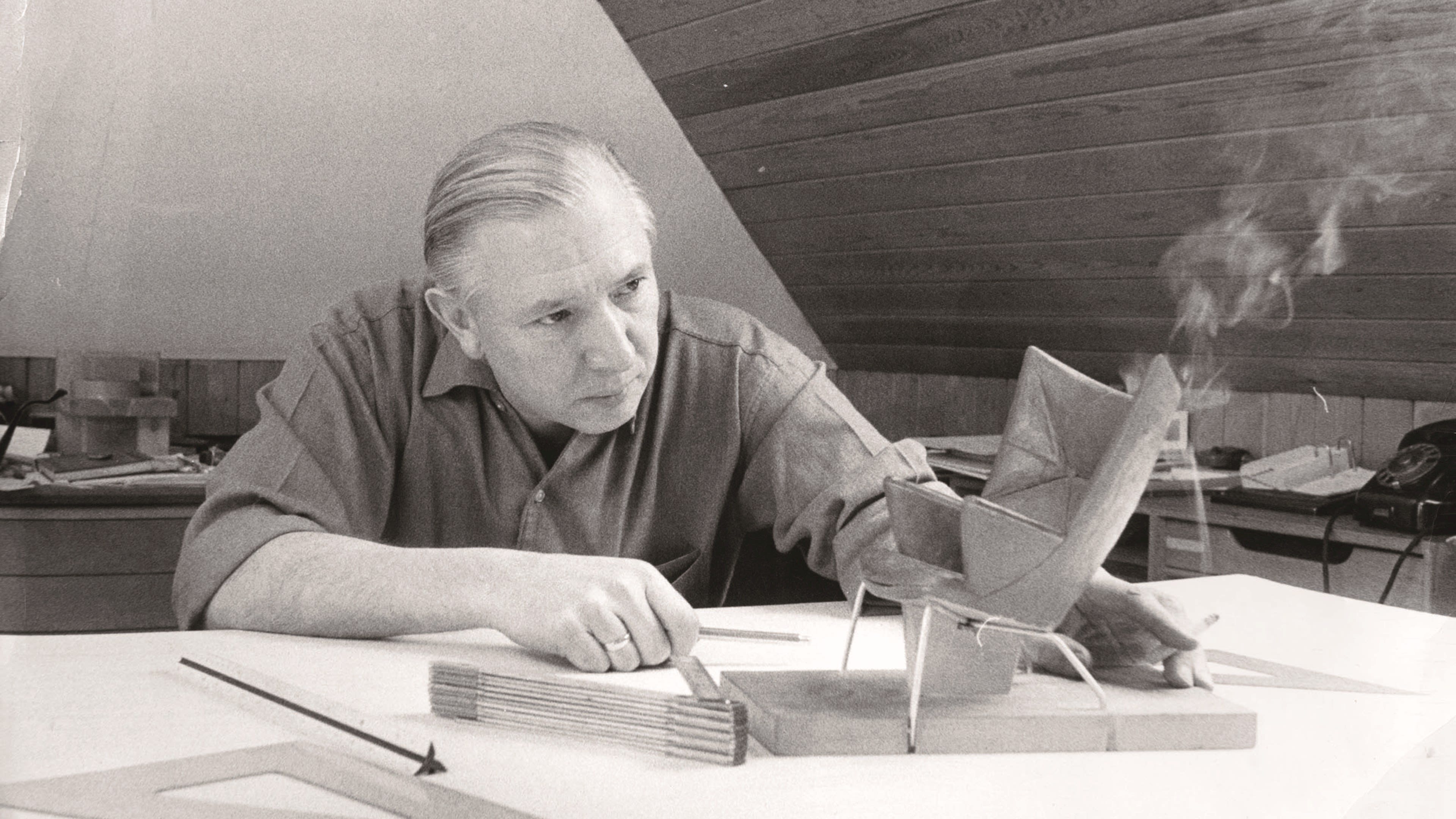
Danish furniture designer Hans J. Wegner (1914-2007) is considered one of the most creative, innovative, and prolific designers of all times, renowned for his precision, great insight into craftsmanship and uncompromising approach to design. Wegner designed nearly 500 chairs in his lifetime and was often referred to as the master of the chair.

For Hans J. Wegner, design was never solely about function. He approached every creation with a sense of curiosity and creative play. While best known for his iconic chairs and furniture, Wegner worked across a wide range of disciplines—including silverware, wallpaper and lighting—guided by his belief that the design process should always contain an element of playful exploration. In this spirit, Wegner created the distinctive Opala Lighting Series for Hotel Scandinavia in Copenhagen in 1973. Comprising a table lamp, floor lamp and pendant, the series explores the interplay between symmetry and asymmetry. Each piece is defined by a large, circular shade in opal acrylic, paired with a warm, focused task light extending beneath the semi‑transparent shade, casting a soft ambient glow into the surrounding space. Reflecting Wegner’s commitment to functional design, the series is based on an innovative concept in which a single lampshade size fits all variations. This approach enabled more efficient production, greater consistency across designs and improved control of material use—principles that continue to guide Carl Hansen & Søn’s approach to responsible craftsmanship today.