DanskLogin


Sustainability

For us, good design is inherently sustainable:

Sustainable design is made to last, proving both its beauty and usability through tim

  • Good design uses sustainable materials, shows respect for the material by letting it speak for itself and never uses too much.
  • Good design is made by passionate people for the enjoyment of other people. Responsible production processes help to keep people passionate.

There is nothing “throw-away” about our furniture. The lasting beauty of their designs has been tested by the varying tastes of several generations. Their workmanship has stood the trials of everyday use since 1950. And they are still going strong.

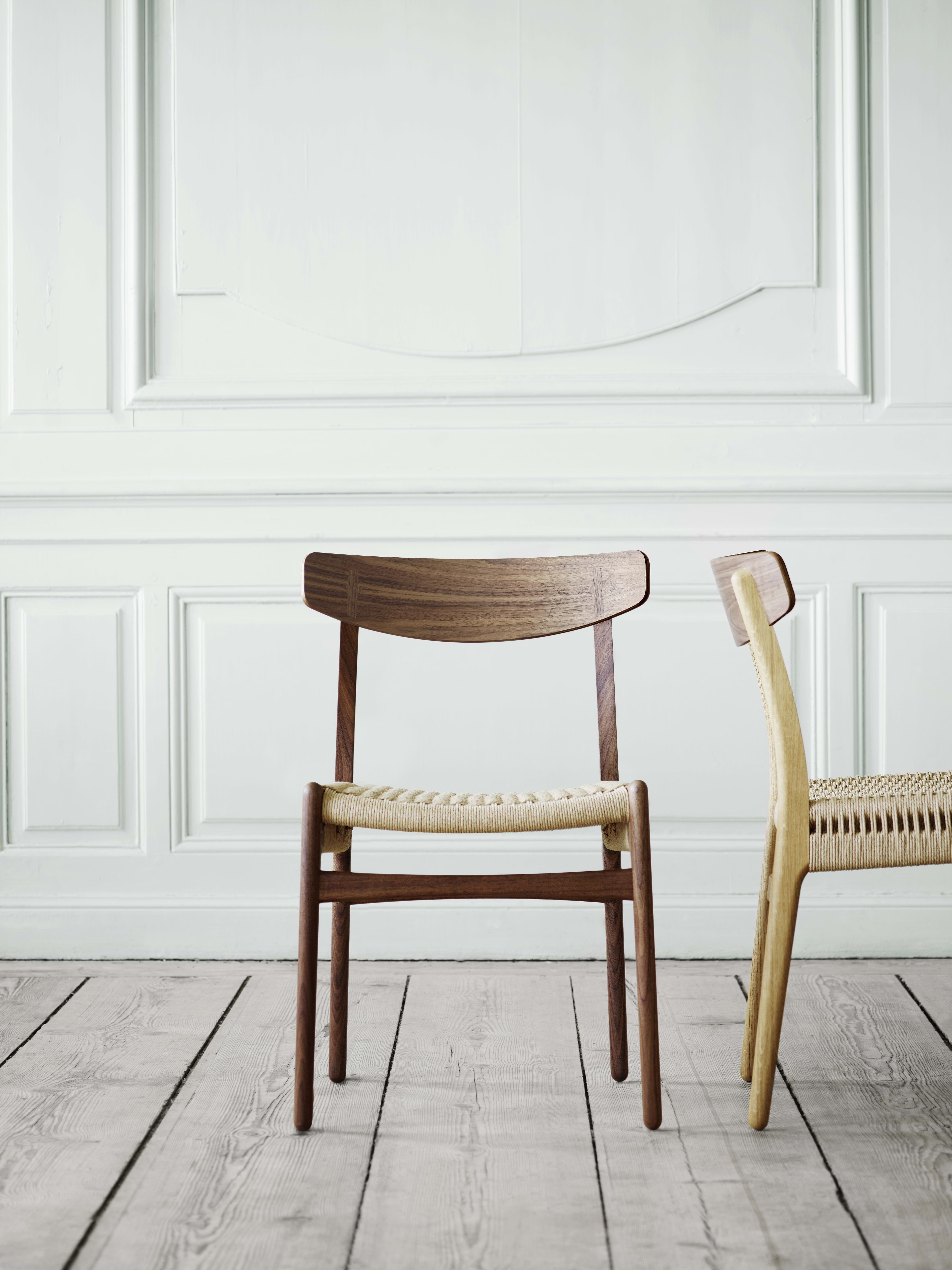
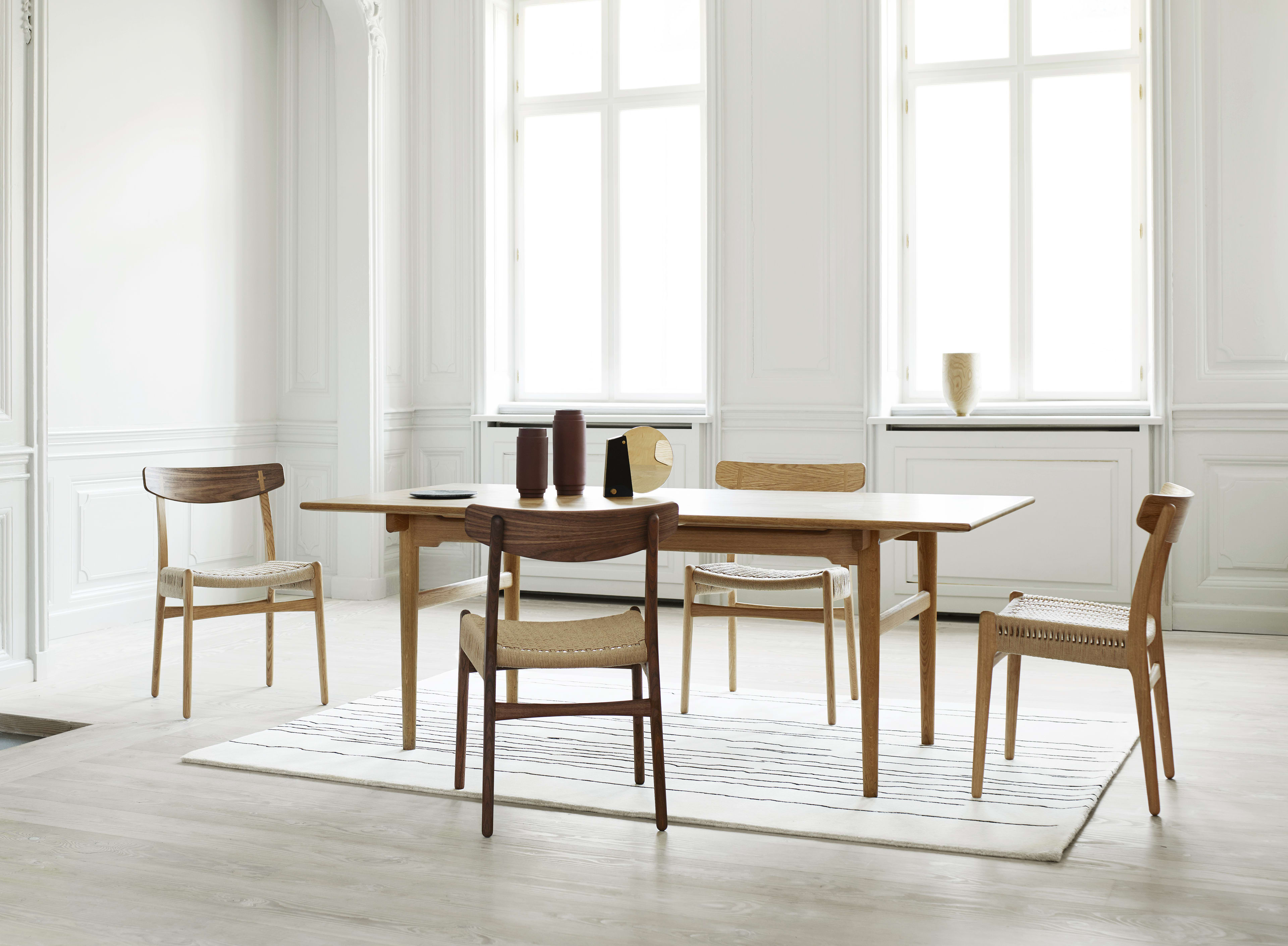
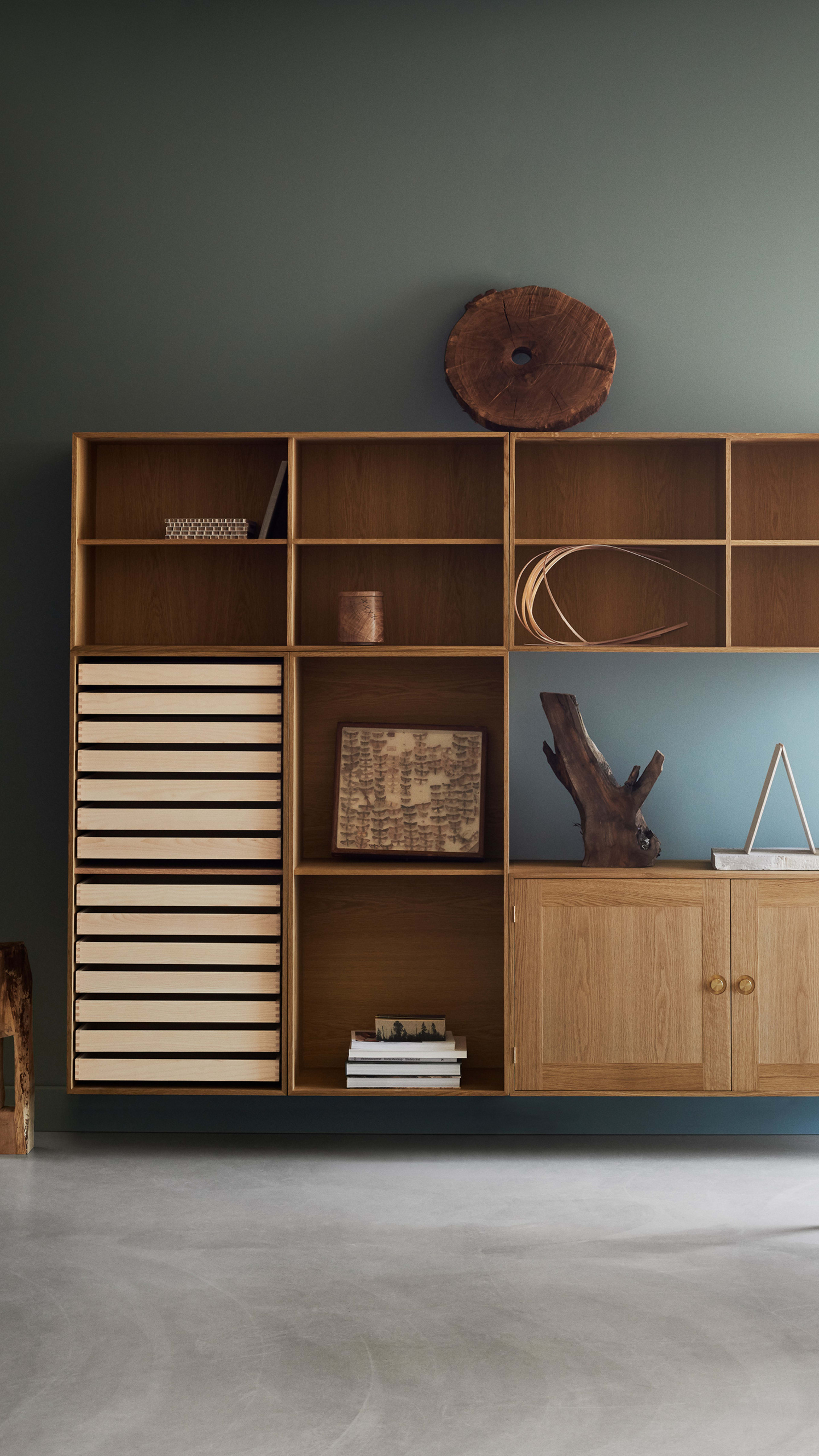
Carl Hansen & Son produces furniture designed by Hans J. Wegner. Many of our models have been in production for more than 50 years and rightly deserve to be called contemporary design classics. Wegner’s designs appeal to both young and old, minimalists and traditionalists. Like other works of design genius, they make their way into discerning homes all around the world, transcending fashion trends and decorating styles.

Hans J. Wegner trained as a cabinetmaker before he began his design studies. His knowledge of wood joinery was unsurpassed among other furniture designers. His furniture is meant to be used, not to be set upon a pedestal. Go ahead and tilt your Wishbone Chair back on two legs – even if your mother tells you otherwise.

Our furniture is commonly referred to as “high-end” because of its design heritage – not because of its price level. Hans J. Wegner came from a tradition of craftsmen who designed good furniture for the use of the many rather than the few. True to the spirit of Hans J. Wegner, we endeavor to keep a strong balance between the quality of our design, materials and workmanship and the cost of the finished product.

Sustainable materials

Trained as a master cabinetmaker, Hans J. Wegner’s understanding of and respect for wood were defining characteristics of his work. Born and raised in Denmark, it is natural that typical Danish hardwoods make up the largest part of his furniture.

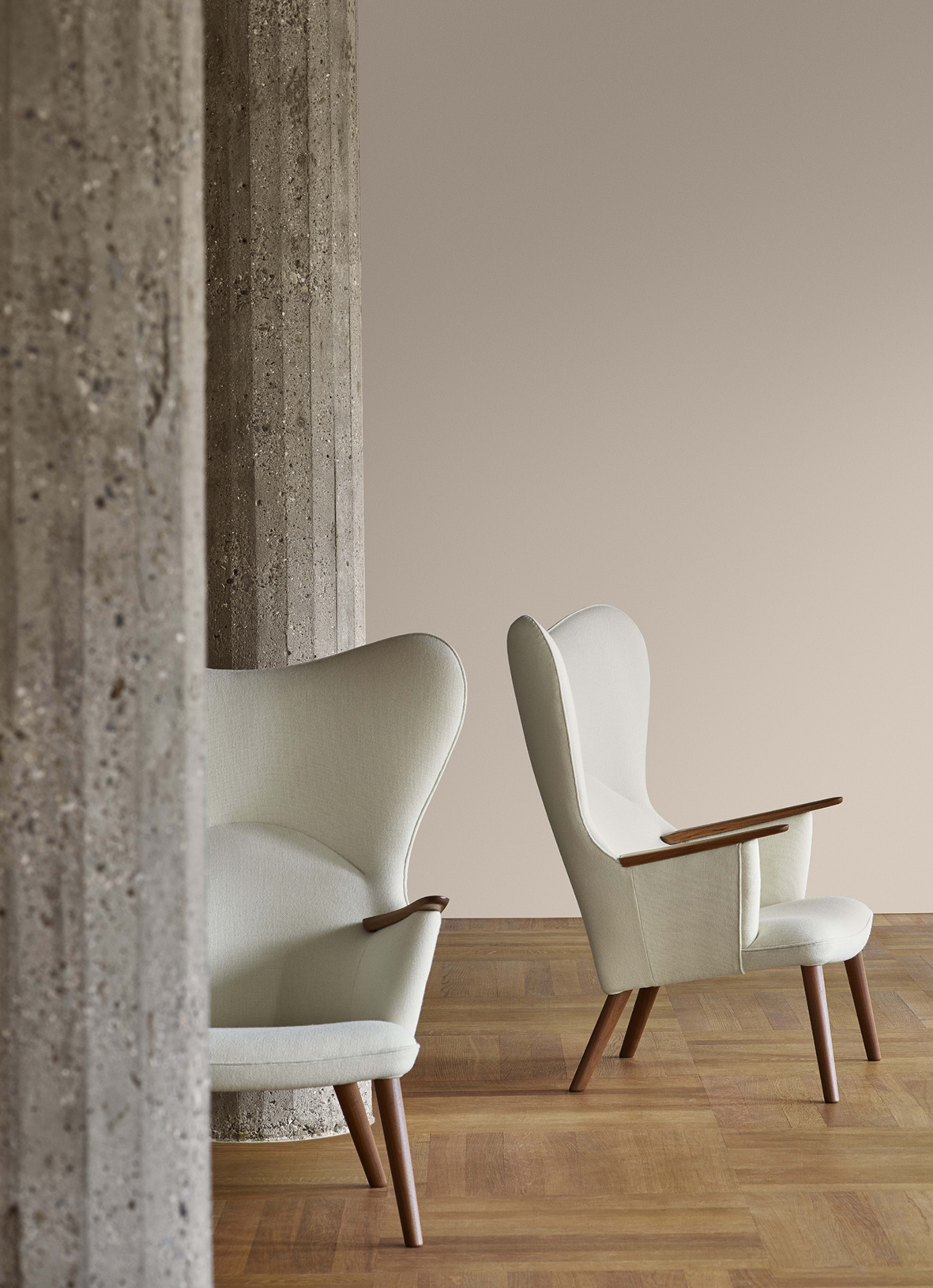
True to our Danish furniture traditions, we use paper cord seats on many chairs. We upholster other chairs with high quality wool fabrics or leather. Stainless steel is also used on some chair and table models, and we use steel screws and fixtures.

Of course, all materials that we use in our furniture are completely safe in homes and working environments.

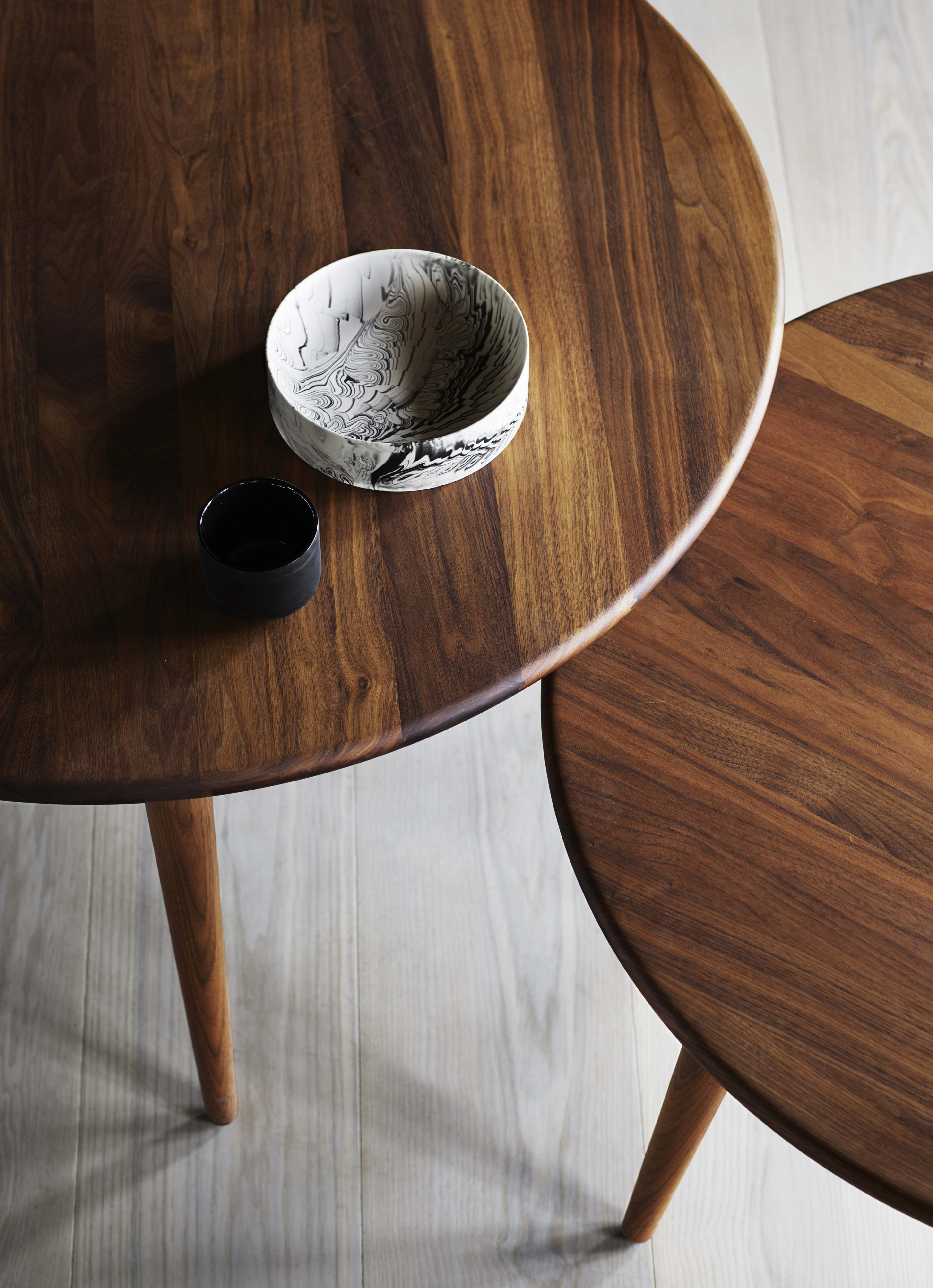
Wood: All wood used by Carl Hansen & Son is hardwood purchased from responsible sawmills with whom we have long, established relationships. Due to the design and quality of our products, we only use new wood – never recycled wood. Of course, all wooden parts are completely biodegradable or can be incinerated.

  • Oak, beech, ash: Almost all of our supply of these hardwoods come from Danish forests, which are managed according to the Danish Forest Act (latest edition 2004). This law promotes sustainable forestry incorporating ecological, social and economic considerations. The law also stipulates that indigenous wood supplies must not only sustainable, but, by law, also increase in a managed way. A small portion of our hardwoods is sourced from other European countries, from suppliers who adhere to Forestry Stewardship Council (FSC) guidelines.
  • Walnut, cherry: These hardwoods are sourced from American forests. Carl Hansen & Son is in the process of ensuring that all North American supplies are from FSC certified suppliers.

Paper cord: All paper comes from renewable forests. The paper cord is treated with a light wax coating prior to weaving in order to make it resistant to discoloration. All paper cord is completely biodegradable or can be incinerated. We use two colors: natural and black. The natural color is made from pure, unbleached paper from Swedish forests, and the black is dyed prior to weaving. We do not use recycled materials in paper cord, since the color variations from recycled paper are too great.

Upholstery foam: Carl Hansen & Son only use polyurethane foam, which is produced without the use of Freon. Since our furniture is often used in contract projects, strict fire codes must be fulfilled; consequently, natural upholstery materials such as cotton or kapok are less suited. All of our polyurethane foam materials are treated with fire-retardant compounds in order to meet Californian bulletin 117 and British standard  BS5852 crib 5, together with other industry norms, e.g., EN1021-1 (cigarette test) EN 1021-2 (match test)  and BS 7176 (fire test, non-domestic upholstery). Synthetic materials such as foams can be handled without any special precautions. They emit an insignificant level of Volatile Organic Components (gases) which give a faint smell that vanishes after a short period of use. To dispose of foam, incineration at high temperatures is recommended, as foams are not biodegradable.

Glue, lacquers + paint: All glues, lacquers and paints adhere to formaldehyde norm E1 (emits less than 0.15 mg/ m3 air). These materials do not emit gases once hardened (which happens at our factory, in ventilated facilities). All wood using our glues, lacquers and paints can be incinerated after use.

Soap + oil treatments: Soap treated furniture uses 100% natural soap based on pure vegetable oils. Oil treated wood uses oils based on plant oils. These materials do not emit gases of any kind after they are applied. All wood treated with soap or oil is completely biodegradable or can be incinerated.

Fabrics + leather: All of our standard fabrics and leathers live up to the fire safety norms BSE EN1021-1 + BS EN 1021-2 as well as CALIF BULL.117SEC. E fire requirements. All wool fabrics and leather are completely biodegradable or can be incinerated. Man-made fabrics can be incinerated.

Metal: Stainless steel is used instead of wood for legs/frames in a few table and chair models. Screws and other fittings are made of steel. Stainless steel and steel parts can be recycled after use.

Responsible production processes

The wellbeing of our staff is something that we take very seriously.

Our production facilities and processes meet or exceed all European and Danish health and safety requirements, which are among the most stringent in the world.

The physical working environment is pleasantly modern, with natural lighting and ergonomically correct workstations for all. All production and administrative employees in Denmark are eligible to receive free, regular massage to prevent long-term injury that may be related to their work.

Danish energy consumption per capita and as compared to GNP is among the very lowest in the world. This is due both to strict conservation practices governed by law (such as standards for insulating buildings), high energy prices and a generation of efforts to minimize energy costs and environmental impact.

Nonetheless, we continue to work to reduce the amount of energy used in production in many ways, for example:

  • Consistently investing in the most modern and energy-efficient equipment
  • Setting annual targets for reducing the amount of energy used to produce the average piece of furniture
  • Reducing energy waste wherever possible, such as automatically reducing the temperature levels in production and administrative areas when not in use (at night, during weekends and holidays)
  • Scrap wood from our production is burned in approved incinerators which generate district heating for homes
  • Shipping cartons are made to protect the furniture using as few materials as possible
  • Airfreight is kept to a minimum